Thesis
Every era has an everlasting change: a technology develops, and the way we live is never the same again
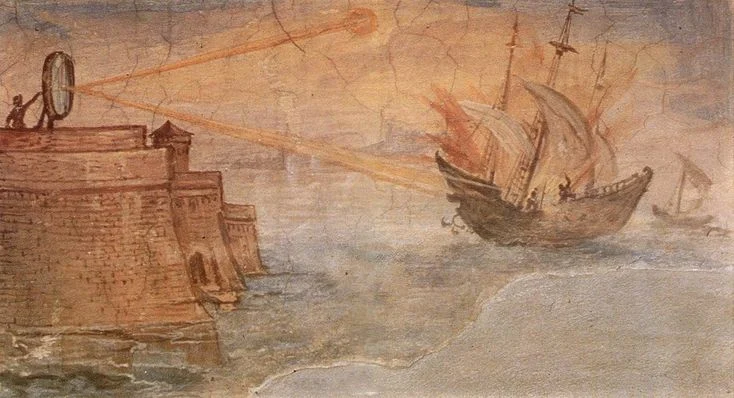
Archimedes’ mirror at Syracuse
01 / 04 · Greece, 250 BC
The Dawn of Machines
The Greeks were the first to understand the power of machines, and Archimedes led their development. During the siege of Syracuse his technology ruled the battlefield: the Claw of Archimedes lifted ships up out of the water, with only a few men needed to make the lift. One machine and ten men could outperform a team of a hundred, and without that machine the battle would have been lost
One man built the foundation of almost every machine we use today
02 / 04 · Europe, 1780s
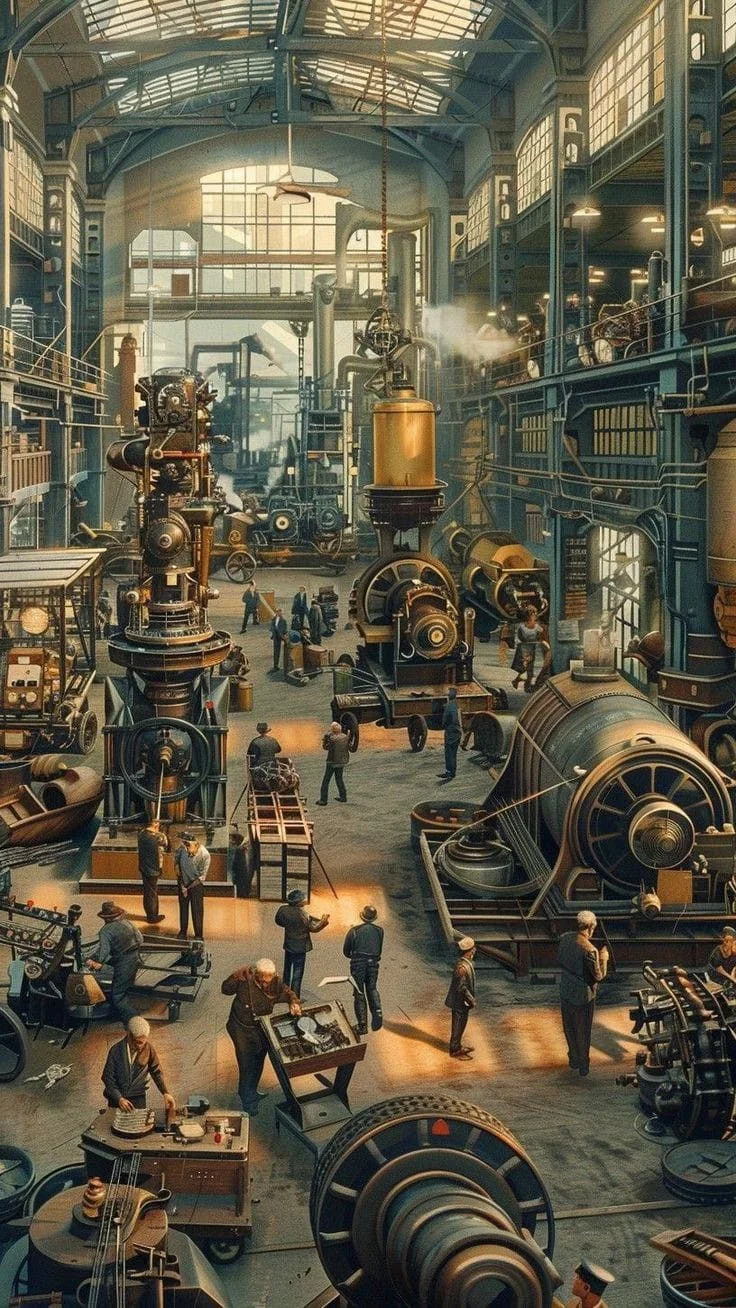
The Industrial Revolution
The creation of the steam engine was a turning point for the world. Machines stopped depending on humans and ran on energy, and some of the hardest jobs in the world could finally be automated. Mass production changed the quality of life of every person on the planet: fertilisers were produced, farming output rose, and the population expanded faster than it ever had
But Europe fell behind, as wars ravaged its industrial capabilities and labour became cheaper towards the East
03 / 04 · Global, 2022
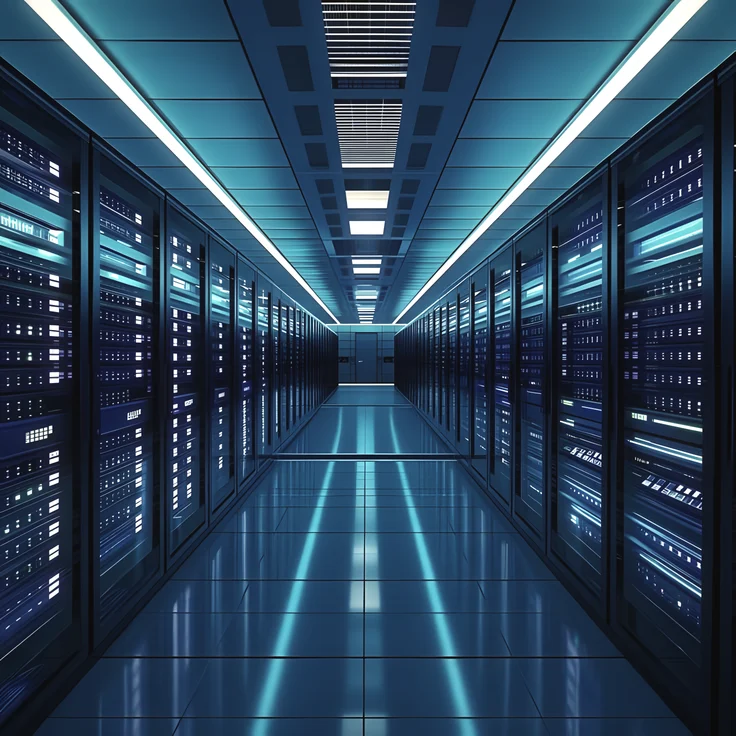
The Information Age
The world has changed significantly. Large language models have every word from almost every book ever written baked into them, and new models are released on an unprecedented scale, each more intelligent than the last. This has revolutionised the distribution of knowledge to every person with access to the internet. Millions of jobs have been streamlined: in the same way the Industrial Revolution increased the impact of one person, AI has done the same, and companies scale even more rapidly with one person able to do three jobs
But it still has not been able to move into the physical world
04 / 04 · Global, after 2026, a prediction
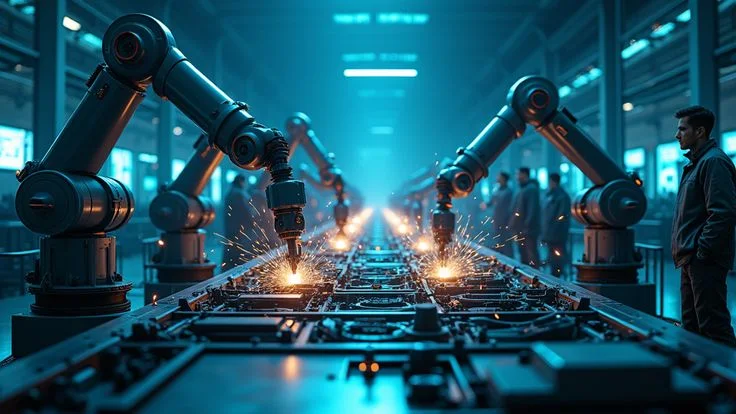
Physical AI
Data rules the world. Whoever has the data has the power to influence how models develop and how they are used, and this is when AI becomes powerful enough to jump from the computer to a body in the real world. There is a 100,000-year gap in the data to collect: there is no internet archive of any of it
We are teaching vision-language-action (VLA) models to do the skilled jobs there is a shortage of. The future we envision is a world where humans and robots learn to work together to create a better one, where new technologies are discovered faster because robots operate at a speed humans cannot, and where the quality of life improves just as it did in the Industrial Revolution
Europe remains untouched. Most of the data going into these models comes from India and Latin America, cheap data that can train models, but for robots to be deployed in Europe the data must be captured where they will operate, and that is what we believe in. Europe was the industrial hub of the world and fell behind through differences in labour costs and through war. We believe Europe has the infrastructure and the talent to bring back the days when it was the industrial powerhouse of the world
Shifting industry from the East back to the West